

A dry mouth can make everyday moments harder than they should be. Bread and
crackers can be hard to swallow, a long conversation may leave your mouth
parched, and you may wake in the night reaching for a glass of water.
Dry mouth usually has a cause that can be found and managed, such as a
medicine, dehydration or breathing through your mouth. Treating that cause,
and protecting your teeth while your mouth is dry, can make eating, speaking
and sleeping more comfortable again.

What Is Dry Mouth?
Dry mouth, known medically as xerostomia, is a dry or sticky feeling in the
mouth that usually happens when your salivary glands make less saliva than normal. Some people feel that
their mouth is dry even though they make a normal amount of saliva.
Besides keeping your mouth moist, saliva washes away food and bacteria, neutralises the acids that bacteria make
after you eat, and supplies minerals that can repair early damage to tooth enamel.
It also moistens food so you can taste, chew and swallow it.
Dry mouth is sometimes called cotton mouth. It can be brief, such as when you are
nervous or thirsty, or it can last for months when it is linked to a medicine or a
long-term health condition. Dry mouth is not a normal part of ageing, although it is
more common in older adults, who are more likely to take medicines that reduce
saliva.
What Are the Symptoms of Dry Mouth?
Dry mouth symptoms can be mild or constant, and they are often worse at night or first thing in the morning. Common signs include:
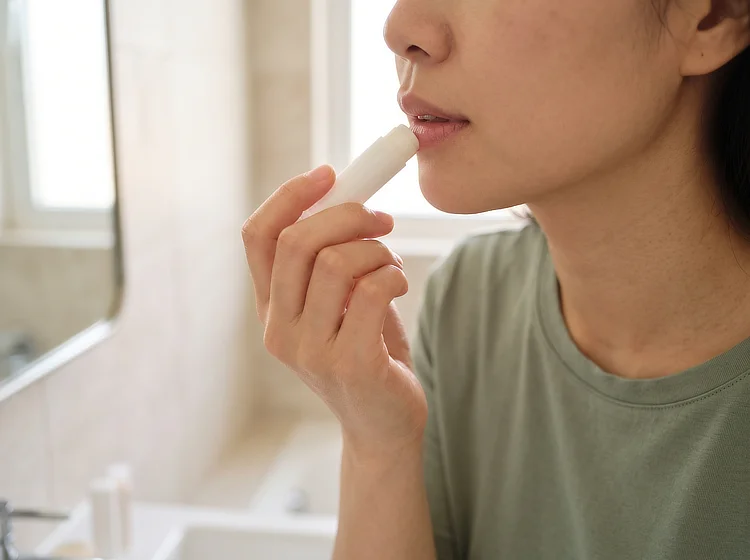
- A dry or sticky feeling – Less saliva leaves the inside of your mouth without its usual moist coating, and you may need to sip water to talk or swallow.
- Thick or stringy saliva – When your glands make less of the watery part of saliva, the saliva left in your mouth can feel thick and may form strings on your tongue or lips.
- A dry, rough tongue – Without a layer of saliva, your tongue can look dry and feel rough, and it may stick to the roof of your mouth.
- Cracked lips – Your lips can also dry out, especially if you breathe through your mouth, so they may crack or split at the corners of your mouth.
- Difficulty chewing, swallowing or speaking – Saliva softens food and helps your tongue move, so dry food can be hard to swallow and long conversations can become tiring.
- A sore or dry throat – Less saliva reaches the back of your mouth, so your throat may feel scratchy and your voice may sound hoarse.
- Changes in taste – Saliva carries flavours from food to your taste buds, so food may taste bland, bitter or metallic.
- Problems with dentures – Dentures rely on a thin layer of saliva to stay in place, so they may feel loose or rub against your gums.
What Causes Dry Mouth?
Dry mouth is most often a side effect of medicines, and it can also result from health conditions and habits that reduce saliva or dry out the mouth. A sudden dry mouth usually has a short-term cause, such as not drinking enough, a cold or a new medicine.
Medicines
Many medicines can reduce the amount of saliva your glands make, including antihistamines for allergies, decongestants, some antidepressants, and medicines for high blood pressure and bladder control. Chemotherapy medicines can also make saliva thicker, usually only during and shortly after treatment.
Dehydration
Dehydration reduces saliva because your body makes less of it when it is short of fluid. This can happen if you do not drink enough, sweat heavily in hot weather, or lose fluid through fever, vomiting or diarrhoea.
Mouth Breathing
Breathing through your mouth dries it out, so a blocked nose, allergies or snoring can leave your mouth dry. This is a common reason for waking up with a dry mouth.
Lifestyle Habits
Smoking and alcohol dry out the mouth, and caffeine in coffee, tea and energy drinks may make the dryness worse. Vaping may also leave your mouth feeling dry.
Health Conditions and Treatment
Dry mouth can be linked to health conditions such as Sjögren's syndrome, rheumatoid arthritis, lupus, diabetes, kidney failure, HIV, Parkinson's disease and anxiety. Radiotherapy to the head and neck can damage the salivary glands, sometimes permanently, and surgery or an injury in this area can damage the nerves that control them.
Hormonal Changes
Changes in hormone levels during pregnancy and menopause are thought to affect saliva, which may leave your mouth feeling drier.
How Does Dry Mouth Affect Your Teeth?
Dry mouth affects your teeth, gums and the lining of your mouth because it reduces the protection that saliva normally gives them. Without enough saliva, you are more likely to develop:
- Tooth decay – Acid from bacteria stays on your teeth for longer, and decay often forms along the gumline and on exposed tooth roots, where enamel is thin or missing.
- Gum disease – Plaque, the sticky layer of bacteria on your teeth, can build up more easily in a dry mouth and make your gums red, swollen or prone to bleeding.
- Bad breath – Bacteria that saliva would normally wash away multiply on your tongue and around your gums, and they release gases that smell unpleasant.
- Oral thrush – Saliva normally keeps a yeast called Candida under control, so a dry mouth can let it overgrow and form sore white or red patches.
- Mouth sores – A dry lining of the mouth is more easily irritated, so ulcers and sore spots may form on your gums, tongue or cheeks.
WhatsApp Us Now
How Is Dry Mouth Treated?
Treatment for dry mouth depends on its cause, and it aims to keep your mouth moist and your teeth protected while the dryness lasts.
Saliva Substitutes
Saliva substitutes, such as gels, sprays and rinses, coat the inside of your mouth and keep it moist for a while. These products do not increase your saliva, so they are often used before meals, at bedtime or whenever your mouth feels dry. If you have your own teeth, choose a saliva substitute that is not acidic, as acidic products can weaken enamel.
Saliva Stimulants
Saliva stimulants, such as sugar-free gum and lozenges made with xylitol, a sugar substitute, can make your glands produce more saliva. Xylitol may also reduce the bacteria that cause tooth decay.
Prescription Medicine
A medicine that stimulates the salivary glands may be prescribed when Sjögren's syndrome or radiotherapy has reduced your saliva, as long as the glands can still make some. It can cause side effects such as sweating, and it is not suitable for people with some conditions, such as uncontrolled asthma or certain types of glaucoma. It is also used with caution in people with heart or lung conditions.
Fluoride Treatment
Fluoride makes enamel more resistant to acid, so a higher-strength fluoride toothpaste, a fluoride mouth rinse or fluoride varnish applied at dental check-ups may be recommended if your mouth is dry for a long time. More frequent check-ups can also find decay early, while it is still small.
When Should I See a Doctor or Dentist for Dry Mouth?
You should generally see a doctor or dentist if your mouth stays dry for more than a
few weeks, even though you drink enough water and cut down on caffeine, alcohol and
smoking.
Dry mouth is rarely a sign of a serious
condition, but it should be checked sooner if:
- It makes eating, swallowing or speaking difficult
- You are also very thirsty and pass urine often
- Your eyes feel dry or gritty as well
- Your mouth is painful, red or swollen, or has white patches
- The glands in your cheeks or under your jaw are swollen
- It started after you began a new medicine, which you should keep taking until you have spoken to your doctor

Over 30% of adults feel anxious about dental visits.
Dental visits can indeed be stressful, but at True Dental Studio, we are gentle and patient, committed to helping you feel at ease during your visit.

Dr Tay Chih Kien
Book a Consultation for Dry Mouth
Book Dry Mouth Consultation
Book NowEnquire More Through Email
Email Us NowEnquire More Through WhatsApp
WhatsApp Us NowWhy Choose True Dental Studio?

Friendly Dentist and Team
We treat every patient to the best of our ability. This is why families across Singapore have continued their dental care with us for years.

Minimal Discomfort
We are committed to keeping our patients as comfortable as possible, minimising any discomfort during treatment.

Affordable Treatments
We believe in pricing quality treatments at a competitive rate. We are transparent and upfront with our treatment costs.
Our Smile Scorecard
Frequently Asked Questions
Waking up with a dry mouth is common, because the salivary glands make much less saliva during sleep. Breathing through the mouth at night, often due to a blocked nose, snoring or sleep apnoea (repeated pauses in breathing during sleep), dries it further, as can air-conditioning, alcohol before bed and medicines taken in the evening. Dryness only at night usually points to one of these night-time causes. If you snore loudly, it is worth seeking a medical evaluation for sleep apnoea.
Drinking water relieves xerostomia only briefly, because water moistens the mouth but does not make the salivary glands produce more saliva. A mouth that stays dry after drinking usually has a cause that water cannot fix, such as a medicine that reduces saliva, diabetes or Sjögren's syndrome (an immune condition that attacks the glands making saliva and tears). If your mouth stays dry for more than a few weeks, or you are also very thirsty, you should see a doctor, who can check your medicines and blood sugar.
A very dry mouth is usually caused by a condition or treatment that greatly reduces saliva, rather than by not drinking enough. Common causes include taking several medicines that lower saliva flow at the same time, Sjögren's syndrome (an immune condition that damages the glands making saliva and tears), radiotherapy to the head and neck, and diabetes that is not well controlled. These causes usually need medical care, unlike the brief dryness that comes with thirst or nerves.
Dry mouth does not necessarily mean stress, although stress and anxiety can cause it. The body's stress response reduces saliva for a short time, so the mouth may feel dry during a tense moment or a panic attack. Fast breathing through the mouth when anxious dries it further, and some medicines for anxiety and depression also slow saliva flow. A dry mouth that lasts for weeks, or happens when calm, is more often linked to medicines, dehydration, mouth breathing at night or a health condition such as diabetes.
Dry mouth can be a sign of diabetes, especially when blood sugar is high and the condition has not yet been diagnosed. High blood sugar makes the kidneys pass more urine, so the body loses fluid and makes less saliva. Dry mouth linked to diabetes usually comes with other signs, such as constant thirst, passing urine often, tiredness and weight loss without trying. Dry mouth on its own is more often caused by medicines or dehydration, and a blood test is needed to confirm or rule out diabetes.
Dry eyes and a dry mouth together are a common sign of Sjögren's syndrome, an immune condition in which the body attacks the glands that make tears and saliva. Other causes include medicines that dry both, such as antihistamines and some antidepressants, the hormonal changes of menopause, and dehydration. Air-conditioning can make both feel worse. If both have been dry for more than a few weeks, it is advisable to seek a medical evaluation, which may include a review of your medicines and blood tests for Sjögren's syndrome.
Kidney failure is an organ failure often linked to dry mouth. People with advanced kidney disease commonly have a dry mouth, partly because the kidneys cannot balance salt and water normally, and partly because people on dialysis (a treatment that filters the blood when the kidneys cannot) are often asked to limit how much they drink. Heart failure can have a similar effect, as it is often treated with diuretics (medicines that make the body pass more urine) and a limit on fluids.
Dry mouth is not a reliable early sign of pregnancy, although some people notice it in the first weeks. Changes in hormone levels may reduce saliva, the body needs more fluid during pregnancy, and vomiting from morning sickness can lead to dehydration. Dry mouth has many other common causes, so a pregnancy test is needed to confirm pregnancy.
Dry mouth after a tooth extraction is common and usually temporary. Mouth breathing while the area is sore, some painkillers and drinking less than usual can all leave the mouth dry for a day or two. Sipping water helps, but drinking through a straw should be avoided for the first few days, as the suction may dislodge the blood clot protecting the socket. If the dryness lasts more than a few days, or the pain gets worse after the third day, you should contact the dentist who removed your tooth.
A vitamin deficiency rarely causes dry mouth, which far more often comes from medicines, dehydration or mouth breathing. Low vitamin B12, iron or other B vitamins are more often linked to a sore, burning or smooth red tongue, which can feel similar to dryness. The deficiency most often behind a dry mouth is too little fluid from not drinking enough.
Home measures can usually relieve dry mouth, although no quick fix makes the salivary glands work normally again. Sipping cold water, sucking ice cubes or chewing sugar-free gum gives fast relief, and chewing can also make the glands produce more saliva. Cutting down on caffeine, alcohol and smoking, using a humidifier at night and breathing through the nose can reduce the dryness over time. Dryness that returns once these measures stop usually has an underlying cause, such as a medicine that reduces saliva, and should be medically assessed.
Foods that commonly worsen dry mouth include dry, salty, spicy, acidic and sugary foods, although the foods to limit vary from person to person. Dry foods such as crackers can be hard to swallow, salty, spicy and acidic foods may sting, and sugary snacks can raise the risk of tooth decay. When dry mouth has an underlying cause, such as diabetes, acid reflux or kidney disease, the dietary advice for that condition also applies, so it is best to consult your doctor or healthcare professional.
Water is generally the most suitable drink for dry mouth, sipped through the day. Sugar-free drinks without caffeine may also help, while coffee, tea, alcohol and fizzy or sugary drinks may worsen dryness or raise the risk of tooth decay, so they are better limited. The suitable type and amount of drink can depend on what is causing the dryness. People with kidney or heart failure may be advised to limit fluids, for example, and people with diabetes to avoid sugary drinks, so medical advice for that condition takes priority.
No vitamin has been shown to relieve dry mouth in people whose vitamin levels are normal. Supplements are unlikely to help unless testing shows a deficiency, and high-dose supplements taken without one can cause side effects of their own. Relief is more likely to come from treating the underlying cause, such as changing a medicine, drinking more water or treating a blocked nose, along with saliva substitutes (gels, sprays or rinses that coat and moisten the mouth) or sugar-free gum.
A dentist or a doctor can assess dry mouth, depending on the symptoms that come with it. A dentist can examine the mouth, may check how much saliva is being made, and looks for tooth decay and gum disease, which are more likely when too little saliva is left to protect the teeth and gums. A doctor can review medicines and arrange blood tests, which suits dry mouth that comes with constant thirst, passing urine often or dry eyes, or that began after a new medicine.
Testing for dry mouth usually involves questions and an examination rather than a single test. The questions cover symptoms, medicines and general health, and the examination checks the tongue, gums, cheeks and salivary glands for dryness and swelling. Saliva flow can be measured by collecting saliva in a small cup over a few minutes. If a condition is suspected, blood tests for diabetes or Sjögren's syndrome (an immune condition affecting the saliva and tear glands) may follow, occasionally with a scan or a small tissue sample from inside the lip.
Dry mouth can often be cured when it has a short-term cause, such as dehydration, a blocked nose or a medicine that can be changed, usually within weeks of treating it. Dry mouth from Sjögren's syndrome (an immune condition affecting the saliva and tear glands) or radiotherapy to the head and neck is usually long-term, but treatment can relieve the dryness. If your mouth has been dry for more than a few weeks, consider seeking an assessment.